Full-Process Digital Vision Training Solution
From immersive VR training modules to AI-driven visual behavior models and adaptive training engines, we build a continuously evolving digital platform for visual health.
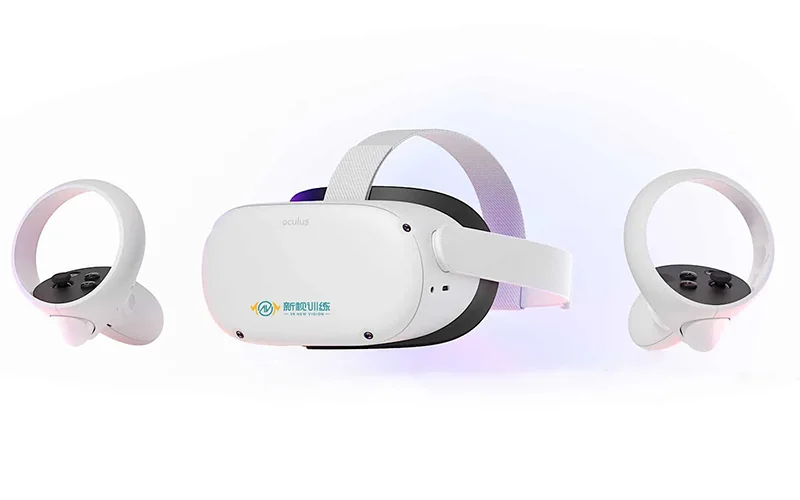
NewVisual AI V-training System
Based on the principle of binocular dichoptic viewing (MFBF), a highly stimulating and highly compliant training environment is created through mature VR technology. In scenarios that more closely resemble real-life eye use, it can not only effectively activate the amblyopic eye but also significantly improve binocular fusion function and stereopsis.
- Spatial-level VR Binocular Separate-View Invention Patent, the entire 3-dimensional space can perform binocular separate-view
- Eye–hand coordinated interaction tasks leverage response trajectories and real-time operational feedback to reinforce visual pathway activation and enhance training effectiveness
- Target Users: Amblyopia, Post-Strabismus Surgery, Visual Fatigue
AI Adaptive Training Engine
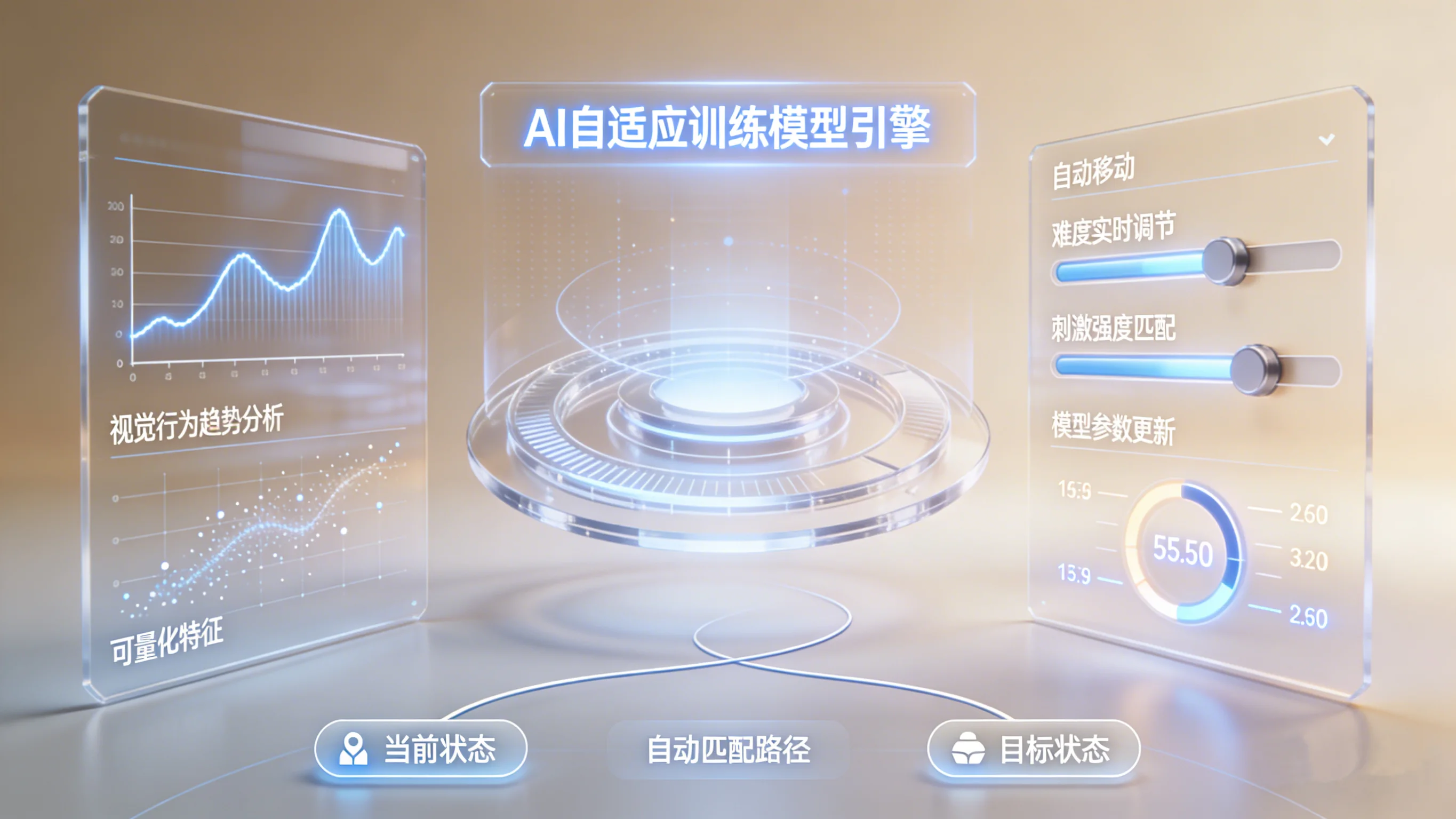
A trend analysis system based on training behavior and visual performance data, providing quantifiable visual behavior features and functional trend analysis.
- Based on user training behavior data, the system dynamically adjusts training difficulty, stimulus intensity, and content structure in real time
- Training programs are continuously refined through real-time analysis, automatically aligning with different stages of visual function and evolving training objectives
- By continuously updating behavioral model parameters, the system generates individualized training strategies and enables fine-grained control over each user’s training pathway
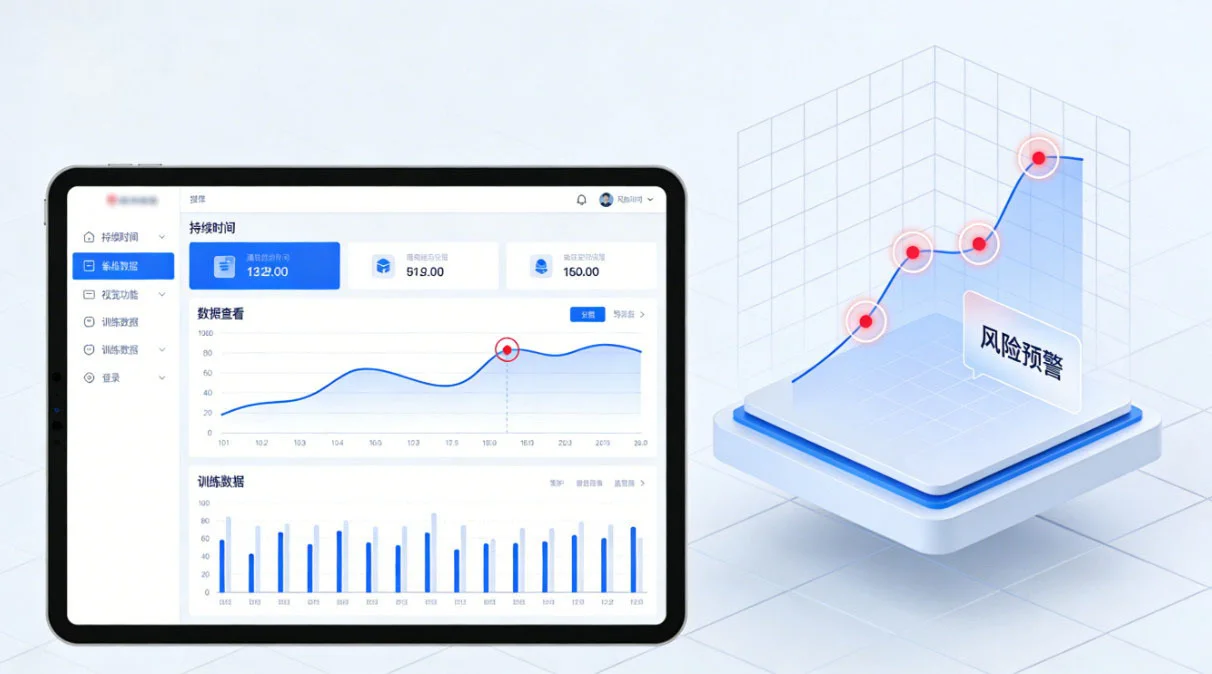
Vision Health Monitoring Platform
A trend-analysis system based on training behaviors and visual performance data, providing quantifiable functional trends to support daily management.
- Evaluates gaze patterns, interaction trajectories, and response rhythms during training
- Offers visual performance tasks related to stereopsis, contrast sensitivity, and binocular fusion
- Identifies atypical patterns in training data and generates risk indicators to assist with preliminary assessment